High Point, NC · Guilford County
Museum Damage Restoration in High Point, NCArchival Document Drying Services & Museum Artifact Salvage
Museum Damage Restoration in High Point includes historic artifact water extraction, museum mold remediation, and exhibit fire damage cleanup.
Answered 24/7
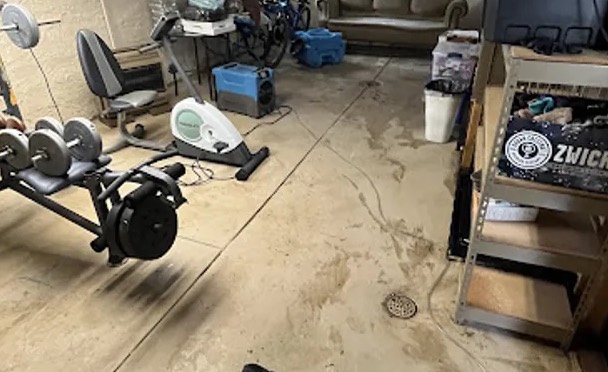
Specialized Museum Damage Restoration in High Point
Museums in High Point need restoration that protects historic artifacts and archives. Water and mold can damage paper, textiles and wood quickly.
Museum damage restoration in High Point and nearby areas like Archdale, Trinity and Jamestown addresses risks to cultural institutions. Local collection recovery experts clean water-damaged artifacts and remove mold from museums.
Comprehensive Museum Damage Restoration for High Point Museums
Archival Document Drying Services
In High Point, the pros understand the urgency of drying archival documents. Fast action can make the difference between saving and losing historical records.
Museum Artifact Salvage
The experts in High Point provide secure pack-out services. It organizes the recovery and keeps artifacts away from damaging conditions on site.
HVAC System Water Damage Restoration
Climate control recovery restores the exact temperature and humidity collections need. This involves drying, cleaning, and recalibrating HVAC units and environmental monitoring equipment.
Storm Damage Structural Drying
Storm damage structural drying for museums targets moisture trapped in walls, floors, and ceilings after roof leaks or window failures.
Museum Mold Remediation
Mold in a museum setting is a serious threat to organic collections like textiles, leather, and paper.
Common Signals for Museum Damage Restoration in High Point
Soot Deposits After a Small Fire
Fine black dust on artifacts after a fire is soot, which needs careful cleaning to avoid staining.
Water Stains on Historic Artifacts
Stains or color changes on paintings, sculptures or textiles mean water has reached them and they need care right away.
Pooled Water in Collection Storage
Standing water near artifact storage is an emergency. Fast water extraction for art collections prevents irreversible harm.
Visible Mold on Display Cases
Fuzzy mold inside climate-controlled display cases means humidity is too high and the case needs drying and checking.
How Museum Damage Restoration Works in High Point
Step 1: Disaster Scene Security and Assessment
The first action is to secure the area from further damage and perform a thorough assessment. The pros identify all affected artifacts and materials.
Step 2: Targeted Water Extraction and Removal
Pumps and extractors remove water from delicate areas, with gentle methods near fragile items.
Step 3: Environmental Drying for Preservation
The building's climate is aggressively restored using dehumidification. Climate control after water damage stabilizes temperature and humidity.
Step 4: Collection Cleaning and Sanitization
Every salvageable item is cleaned, deodorized, and sanitized as needed. This phase completes the fire damage restoration for museums or water damage recovery process.
Common Causes of Museum Damage in High Point
Storm Damage to Building Envelope
High winds can breach windows, skylights, or exterior walls. Storm damage repair for historic buildings secures the structure first.
Foundation Cracks and Seepage
Hydrostatic pressure can push groundwater into lower-level archives. This necessitates structural drying and waterproofing measures.
Roof Leaks During Heavy Rain
Old roofing or storm damage can let water drip onto exhibits and stored collections.
HVAC Condensation Line Failures
Clogged or broken drain lines can leak water into walls, where hidden moisture leads to mold.
Museum Damage Restoration for All Institutions in High Point
Water Damage Help for Homes
Even in a modern home in High Point, a flood can damage stored family archives and photographs. Improper drying can cause irreversible warping and mold.
Museum Damage Restoration for Owners and Managers
Historic site operators face unique challenges with older building materials and systems. Storm damage structural drying must be balanced with preservation of original fabric.
Handling Museum Damage: DIY Risks and Collection Recovery Experts Solutions
If you suspect mold growth on a non-porous surface away from collections, you can clean it with a detergent solution. For any mold on or near artifacts, display cases, or archival boxes, do not disturb it. Disturbance spreads spores. Museum mold remediation requires containment and professional removal.
What Affects Museum Damage Restoration Cost in High Point
Pricing for museum damage restoration in High Point depends on the damage source, such as contaminated sewage versus clean water, and the square footage of affected exhibit and storage areas. Structural drying needs are assessed.
Mold Remediation Scope
Visible mold on display cases is a smaller project than systemic museum mold remediation within wall cavities and air handling units.
HVAC System Involvement
Restoring climate control after water damage often requires cleaning ductwork and servicing units, adding to the overall scope of the drying project.
Type of Damaged Materials
Drying waterlogged paintings takes different methods from drying soaked textiles, which changes the labor and equipment needed.
Does Insurance Cover Museum Damage Restoration?
Determining if insurance covers fire damage restoration for museums requires reviewing your policy. Specialists document the soot and water damage extensively. It is your responsibility to file the claim and confirm coverage specifics with your insurance agent.
Selecting Local Experts for Museum Damage Restoration in High Point, NC
Comprehensive Sewage Cleanup
Procedures address biological hazards thoroughly. Sewage backup cleanup involves removal, disinfection, and deodorization to restore a safe environment.
24/7 Emergency Response
Museum collections need fast action. The experts are available around the clock to begin water extraction for art collections and stabilize the environment.
Climate-Controlled Drying
Temperature and humidity must be controlled. This technique is used in archival document drying services to prevent warping, mold, and other secondary damage.
24/7 Emergency Museum Damage Restoration in High Point
When your museum's climate control fails after a leak, artifacts are at risk. For museum climate control after water damage and emergency drying, call (743) 244-2466 to reach the experts who respond 24/7.
Call Now (743) 244-2466Local Museum Damage Restoration for High Point, Archdale, Trinity and Jamestown
Museums and cultural institutions in High Point can get professional restoration. Services like archival material drying and mold remediation are available locally, also serving Archdale, Trinity and Jamestown when needed.
Common Museum Damage Restoration Queries Answered
Why does quick action matter for museum flood restoration?
Quick action limits the spread of water, reduces absorption into porous artifacts and building materials, and lowers the risk of costly secondary damage like mold and corrosion.
What makes museum mold remediation different?
It requires stringent containment to protect unaffected collections and air filtration to capture spores. Methods must be safe for use around historic materials and integrated artifacts.
What does cultural property damage recovery involve?
It covers everything from emergency response and stabilization to cleaning, drying and documentation, adjusted to the value and fragility of each item.
What is involved in museum damage restoration?
The work involves securing the site, extracting water, drying structures and collections with climate control, cleaning soot or contaminants, and salvaging artifacts using IICRC-standard methods for sensitive materials.
Is sewage backup cleanup in museums a health hazard?
Yes, it involves dangerous pathogens. The cleanup requires full personal protective equipment, removal of contaminated materials, and hospital-grade disinfection of affected spaces.