High Point, NC · Guilford County
Manufacturing Facility Damage Restoration in High Point, NCIndustrial Sewage Backup Cleanup & Industrial Fire Damage Cleanup
Industrial water damage cleanup and Manufacturing Facility Damage Restoration for High Point facilities start with manufacturing facility water extraction, factory storm water removal, and manufacturing plant mold remediation.
Answered 24/7
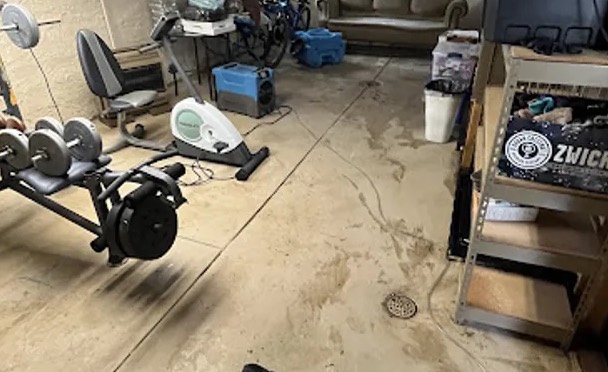
Local Manufacturing Facility Damage Restoration Solutions in High Point, North Carolina
Industrial water damage in High Point needs fast cleanup. A leak or flood in a factory can spread rapidly, affecting structural integrity and sensitive machinery. This demands a specialized response to prevent extended downtime.
Fire and storm cleanup at an industrial site take careful planning. Across High Point, the same step-by-step approach applies to small storefronts and large facilities, from assessment to final checks.
Manufacturing Facility Damage Restoration Offerings in High Point, NC
Industrial Sewage Backup Cleanup
A sewer line failure can contaminate loading docks or utility spaces in High Point. Industrial sewage cleanup involves safe black water removal, aggressive cleaning, and antimicrobial treatments for locker rooms or break areas.
Industrial Fire Damage Cleanup
Cleaning after an electrical or chemical fire in a plant starts with the corrosive soot on metal and electronics. Pros use cleaners that stop etching and corrosion before equipment runs again.
Manufacturing Equipment Drying
Local restoration pros provide content drying and cleaning for high-value items like production prototypes. They may employ freeze-drying for documents and ultrasonic cleaning for metal parts to prevent total loss.
Industrial Structural Drying
Proper structural drying prevents long-term issues like concrete spalling or steel corrosion. Experts set a drying plan and track moisture in walls and foundations with sensors until the building is dry.
Manufacturing Facility Water Extraction
Submersible pumps eliminate standing water from burst process lines or compromised roofing. This industrial water extraction reduces risks of electrical short circuits and corrosion on metal assets.
When to Call for Manufacturing Facility Damage Restoration in High Point, NC
Electrical Malfunctions or Sparks
Short circuits, tripped breakers, or sparks in a factory after a flood warn of dangerous fire damage cleanup risks.
Warped or Swollen Structural Materials
Bowing walls, buckled flooring, or swollen doors in an industrial property show significant water damage requiring structural drying.
Soggy Insulation or Building Materials
Wet ceiling tiles, damp insulation, or saturated drywall in a commercial building hinder operations and require water damage repair.
Storm Water Infiltration
Water coming in around doors, windows or roof penetrations after heavy rain needs prompt repair.
How Manufacturing Facility Damage Restoration Works in High Point
Step 1: Emergency Water Extraction
Local pros start by extracting standing water from floors and around equipment to stop the damage.
Step 2: Manufacturing Equipment Assessment
Every affected machine and electronic unit is inspected to plan repairs and drying.
Step 3: Industrial Structural Drying
Air movers and dehumidifiers then dry the building's walls, slabs and ceilings.
Step 4: Documentation for Insurance
Pros document all damage with photos and moisture readings for your recovery plan and claim.
Common Water Damage Causes in Manufacturing Plants
Roof Leaks From Storm Damage
Severe weather can breach a manufacturing plant's roof, allowing water to damage inventory, equipment, and the structure itself.
HVAC System Condensation Problems
Malfunctioning cooling units or poor drainage can lead to water pooling inside air handlers and dripping onto sensitive manufacturing equipment.
Sewer Line Backups or Overflows
Sewer problems or internal blockages can push contaminated water into a factory.
Sprinkler Irrigation System Faults
Landscape watering systems near the building can malfunction, directing water into the structure and necessitating industrial water extraction.
Dedicated Manufacturing Facility Damage Restoration for Businesses in High Point
Water Damage Help for Homes
In homes, sewage backups are confined to bathrooms and basements, posing immediate health risks to families. Cleanup involves disinfecting affected residential areas, removing contaminated materials, and drying the underlying structure to prevent secondary mold growth.
Manufacturing Facility Damage Restoration for Owners and Managers
Industrial sewage backup cleanup in a factory deals with larger volumes, possible chemical contaminants, and complex drainage systems. Containment, extraction and disinfection keep workers safe and meet health rules.
Industrial Restoration: DIY Risks and Manufacturing Plant Restoration Pros Benefits
For light dampness on a concrete floor from a spill, fans can help for now. If it is widespread, comes from overhead or has lasted over a day, call pros for structural drying.
Estimating Manufacturing Facility Damage Restoration Expenses for High Point Plants
Estimating the cost for manufacturing facility damage restoration in High Point involves evaluating the severity. Industrial water damage cleanup costs are shaped by contamination category, square footage impacted, and the materials present.
Affected Square Footage
The total area to dry, including production floors, warehouses and offices, is the main cost driver.
Damage Severity and Scope
The extent of water, fire, or mold damage throughout your manufacturing plant directly influences the restoration timeline and required resources, impacting overall cost.
Type of Contamination
Clean water from a broken pipe costs less to address than Category 3 black water from industrial sewage backup cleanup, which requires stricter protocols.
Does Insurance Cover Manufacturing Facility Damage Restoration?
Does insurance cover manufacturing equipment water damage repair? This depends on your policy's equipment breakdown or property coverage sections. The pros document the condition of all affected machinery to help substantiate your claim.
Selecting Local Pros for Your Manufacturing Facility Damage Restoration Needs in High Point
24/7 Emergency Response
Manufacturing damage needs quick action. Local pros can be reached around the clock to start limiting water, fire or sewage damage.
Structural Drying Focus
Structural drying keeps the building dry and prevents mold and structural problems.
Mold Remediation Procedures
Mold removal in plants follows set steps: find the moisture source, contain the area, remove affected materials and treat surfaces.
Emergency Industrial Damage Response in High Point
For 24/7 emergency manufacturing facility water damage restoration, the number to call is (743) 244-2466. The pros provide around-the-clock help to extract water, assess damage, and start industrial structural drying.
Call Now (743) 244-2466Locations Served for Manufacturing Facility Damage Restoration Around High Point
For factories and plants in High Point, fast mitigation limits downtime. Storm restoration and sewage cleanup are available in High Point, Archdale, Trinity and Jamestown.
Manufacturing Facility Damage Restoration Information and FAQs
What is included in manufacturing plant disaster recovery?
Disaster recovery encompasses the full sequence: emergency response, damage mitigation, detailed drying, soot or mold cleanup, reconstruction, and returning the facility to operational status.
How is manufacturing plant restoration documented for insurance?
The pros document the process with date-stamped photos, moisture reading logs, detailed service reports, and inventory lists of damaged items to support the property owner's claim submission.
Is factory water extraction different from home water removal?
Yes, it requires more powerful equipment for larger volumes, often addresses chemical contaminants, and must consider complex building layouts and sensitive industrial assets.
Why is industrial structural drying important?
Drying walls, floors and ceilings fully keeps hidden moisture from warping materials and causing mold after the leak is fixed.
What are the signs I need manufacturing plant mold remediation?
Signs include a musty odor, visible mold growth on walls or ceilings, increased allergy symptoms among staff, or a history of unrepaired water leaks in the facility.