High Point, NC · Guilford County
Ceiling Water Damage Restoration in High Point, NCCeiling Moisture Inspection & Ceiling Leak Water Cleanup
Ceiling Water Damage Restoration in High Point handles ceiling leak water cleanup, wet ceiling drywall removal, and ceiling mold prevention.
Answered 24/7
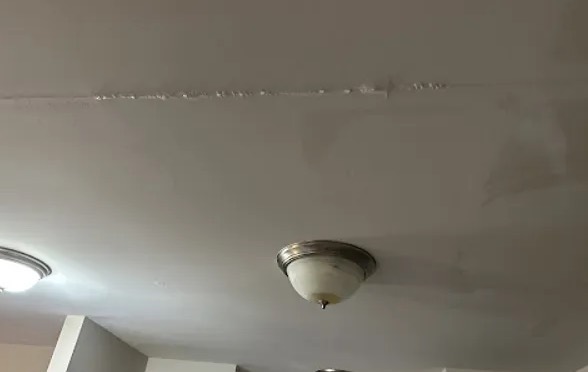
Expert Ceiling Water Damage Restoration for High Point
In High Point, trapped moisture breaks down drywall paper and framing and feeds mold. Spores can then circulate through the home's air system, affecting air quality.
Ceiling water damage restoration for the High Point area focuses on halting water intrusion and initiating rapid drying. Local water removal pros handle roof leak ceiling water removal and ceiling leak water cleanup, serving this community and nearby locations like Archdale, Trinity and Jamestown.
Available Ceiling Water Damage Restoration Services Near You
Ceiling Moisture Inspection
Ceiling moisture inspections are critical for an accurate restoration plan. Pros use penetrating and non-penetrating meters to get precise readings of moisture content in drywall, wood, and other ceiling materials.
Ceiling Leak Water Cleanup
Water dripping from a ceiling requires fast action. The experts extract standing water and begin drying with commercial-grade equipment to prevent further damage to the structure overhead.
Wet Ceiling Drywall Removal
The pros cut out the damaged area, allowing for proper drying of joists and insulation before installing new material.
Ceiling Mold Prevention
The pros use professional-grade dehumidifiers and air scrubbers to dry the area completely, a key step for homeowners in High Point to avoid future issues.
Ceiling Water Stain Removal
For persistent ceiling stains, professional removal techniques are most effective. In High Point, local pros assess the stain type and use appropriate chemical agents or sealants to eliminate the discoloration before final refinishing.
When to Schedule Ceiling Water Damage Restoration for Your Ceiling
Increased Utility Bills
Unexplained spikes in your water bill can point to a hidden leak. A ceiling moisture inspection can help find the source of waste.
Soft Spots to the Touch
A ceiling that feels soft or spongy when pressed is waterlogged. Wet ceiling repair by the pros is urgently needed.
Visible Mold Patches
Black or green spots on the ceiling indicate active mold. Ceiling mold prevention strategies should follow professional mold remediation.
Persistent Dripping Sounds
Hearing constant dripping from above often means an active leak. Emergency ceiling water extraction can stop further ceiling water damage.
How Ceiling Water Damage Restoration Works in High Point
Step 1: Emergency Ceiling Water Extraction
The process begins with rapid water removal using truck-mounted or portable extractors.
Step 2: Comprehensive Moisture Inspection
Using moisture meters and thermal imaging, the experts map all affected areas, including hidden pockets.
Step 3: Targeted Drying and Dehumidification
Industrial air movers and dehumidifiers are positioned to create optimal drying conditions. This helps prevent mold and stabilizes the structure.
Step 4: Removal and Restoration Planning
Irreparably damaged drywall and insulation are removed. The experts then provide a clear plan for the final ceiling water damage repair and reconstruction phase.
Ceiling Water Damage Sources
HVAC Condensation Drainage Issues
A clogged condensate drain line from an attic air handler can overflow. This constant drip causes significant ceiling water damage over time.
Overflowing Bathtubs or Sinks
An accidental overflow from a second-floor bathroom can be a major incident. It needs fast extraction and drying.
Failed Appliance Connections
A leaking washing machine, water heater, or ice maker line upstairs can fail. The water often travels along floor joists to damage the ceiling underneath.
Poor Attic Ventilation
Inadequate attic ventilation traps heat and moisture against the roof deck. This condensation can drip onto insulation and ceiling drywall below.
Ceiling Water Damage Restoration for Homes and Businesses in High Point
Residential Ceiling Water Damage Restoration
In condos and apartments, ceiling leaks may originate from a neighbor's unit or common plumbing lines. The experts are skilled at tracing the source and performing targeted wet ceiling repair.
Commercial Ceiling Water Damage Restoration
Schools, libraries, and public facilities require careful attention to historical materials or specialized building systems during ceiling drying services.
Professional Ceiling Water Damage Restoration or a DIY Fix?
Regularly checking washing machine hoses for leaks is a good DIY maintenance habit. Make sure downspouts send water away from the foundation. If a leak causes ceiling damage, calling for emergency ceiling water extraction limits the harm.
Getting Clarity on Ceiling Water Damage Restoration Expenses
Local water damage restoration pricing around High Point considers the urgency of the response and the duration of equipment rental for the ceiling drying process. Contamination level from clean, gray, or black water sources is a key variable.
Water Contamination Category
Clean water from a supply line leak costs less to mitigate than gray water from an appliance or black water containing sewage or floodwater.
Mold Prevention Needs
If moisture detection ceiling inspection finds elevated humidity, antimicrobial treatments and added drying for ceiling mold prevention become necessary cost components.
Equipment Requirements
The number of air movers, dehumidifiers, and moisture meters needed for ceiling drying services scales with the size and severity of the leak.
Does Insurance Cover Ceiling Water Damage Restoration?
Many homeowner's policies cover sudden ceiling water damage from events like a burst pipe. The experts document all damage with photos and moisture readings for the claim. Coverage decisions belong to the insurer, so review policy details.
Reasons to Trust Water Extraction Experts with Your Ceiling Damage
Industry-Standard Drying Methods
Drying prevents hidden moisture and mold in the ceiling cavity and attic.
24/7 Emergency Response
Quick action on emergency ceiling water extraction limits the spread of water and minimizes the area of drywall or insulation that is ultimately ruined.
Root Cause Consideration
While performing roof leak ceiling water removal, pros can advise on potential external causes to discuss with a roofer before interior repairs are finalized.
Around-the-Clock Emergency Ceiling Water Damage Restoration in High Point
Ceiling collapse risk increases the longer water sits. For immediate emergency ceiling water extraction in High Point to stabilize the situation, call the experts at (743) 244-2466.
Call Now (743) 244-2466Ceiling Water Damage Restoration in High Point, Archdale, Trinity and Jamestown
The experts operate to assist property owners in High Point and the broader region including Archdale, Trinity and Jamestown.
Your Ceiling Water Damage Restoration Questions, Addressed
Can ceiling water damage lead to structural problems?
Prolonged wetness can weaken wooden ceiling joists and rafters, potentially leading to sagging or compromised integrity. Proper drying of these structural elements is a key part of restoration.
Why is emergency water extraction important for a ceiling leak?
Rapid removal limits water weight that can cause drywall to sag or collapse, reduces absorption into insulation and framing, and shortens the overall ceiling drying services timeline.
Is wet ceiling drywall removal always necessary after a leak?
Not always; if caught early and dried from both sides, drywall can sometimes be saved. However, sagging, soft spots, or contamination typically require removal and replacement.
Are ceiling water stain removal chemicals safe for indoor air?
Professional-grade stain removal products are designed for indoor use. The area is ventilated during application, and any residues are cleaned according to product safety guidelines.
How long does the ceiling drying process typically take?
Drying a water damaged ceiling drywall can take 2 to 5 days, depending on material thickness, insulation saturation, humidity levels, and airflow within the ceiling cavity.