High Point, NC · Guilford County
Thermal Imaging Inspections in High Point, NCWater Leak Detection Thermal Scans & Energy Loss Thermal Imaging
Thermal Imaging Inspections in High Point covers roof leak infrared detection, electrical issue thermal scans and plumbing leak infrared inspection.
Answered 24/7
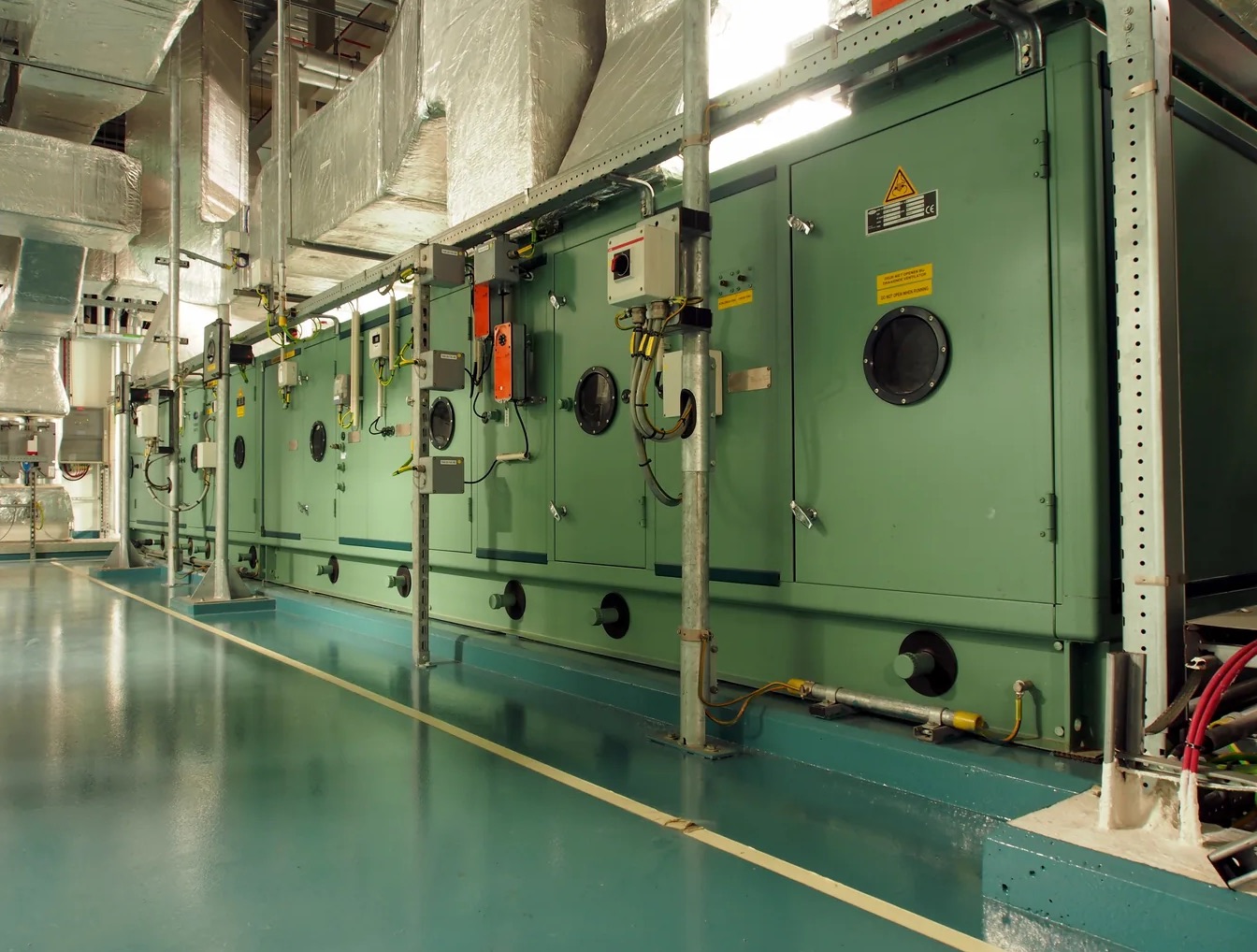
Local Thermal Imaging Inspections Solutions in High Point
Electrical problems in High Point buildings often show up as heat before they fail. A thermal scan finds overheating parts in panels and circuits, such as loose connections or overloaded breakers.
For properties in High Point and nearby places like Archdale, Trinity and Jamestown, thermal scans find hidden moisture and energy loss without damage. Anyone in High Point with a suspected hidden leak can call (743) 244-2466 to start.
Comprehensive Thermal Imaging Inspections in High Point
Water Leak Detection Thermal Scans
In High Point, local thermal imaging inspection pros interpret thermal images to find cooler wet areas near supply lines or drains.
Energy Loss Thermal Imaging
Pros find poor insulation and leaking ducts that raise energy use, using infrared scans.
Infrared Mold Inspection Services
Thermal scans find damp materials inside walls or under flooring, which are the areas that need drying first.
Hidden Moisture Damage Scanning
Scans separate dry and wet materials in walls and floors, helping restoration focus on the right areas.
Plumbing Leak Infrared Inspection
Pros look for cool spots from cracked pipes or failed seals, a way to find leaks without damage.
Signs You Need Thermal Imaging Inspection in High Point
Warping or Buckling Floorboards
Warping wood floors often have moisture underneath that a scan can confirm.
Roof Stains After a Rainstorm
Water marks on an inside ceiling after rain mean the roof is letting water through.
Cold Drafts in Specific Rooms
Noticeable drafts in one room often mean insulation is missing in that area.
Condensation on Interior Windows
Heavy condensation on inside windows can point to high humidity and hidden moisture.
How Thermal Imaging Inspections Work in High Point
Step 1: Thermal Imaging Home Inspection Setup
Pros prepare the space, sometimes adjusting indoor temperature, and calibrate the camera for accurate scans.
Step 2: Comprehensive Thermal Scan Execution
Walls, ceilings, floors and roof lines are scanned in order to look for water leaks and other issues.
Step 3: Data Interpretation for Problem Diagnosis
Pros separate normal variations from problem patterns like electrical hot spots or energy loss.
Step 4: Actionable Insights and Priority List
Findings become a priority list of repairs so you know which problems to fix first.
Common Moisture Problems Found with Thermal Imaging in High Point
Loose Electrical Connections
Loose wires create resistance and heat that can damage electrical parts over time.
Condensation Within Wall Cavities
Warm, moist air can condense inside walls and dampen insulation and framing.
HVAC Ductwork Leaks or Gaps
Leaky ducts in attics or crawl spaces waste conditioned air and add moisture.
Roof Flashing Installation Errors
Poorly sealed flashing around chimneys and vents lets water into the roof.
Infrared Inspections for All Properties in High Point
Residential Thermal Imaging Inspections
Home scans reveal attic moisture from poorly vented bathrooms, insulation voids in vaulted ceilings, slab leaks and drafts.
Commercial Thermal Imaging Inspections
Commercial scans uncover moisture from leaking ice machine lines, condensation inside wall panels and energy loss around dock doors.
Professional vs. DIY Thermal Imaging in High Point
Look for water stains, feel for drafts around windows and watch your utility bills. Finding hidden moisture, exact leak locations or insulation gaps takes infrared equipment and training.
Thermal Imaging Inspection Cost Variables in High Point
A full scan of roofing, walls and electrical panels takes more time than a single-area check, which affects the price.
Property Size
Larger homes in High Point take more time for a thorough infrared scan of every room.
Issue Complexity
Finding one plumbing leak is often quicker than mapping widespread condensation or energy loss.
Reporting Detail
A basic visual report costs less than a full moisture map with written analysis.
Does Insurance Cover Thermal Imaging Inspections?
Coverage in Guilford County usually depends on investigating a specific covered water event. Pros provide images of hidden moisture, and your insurer makes the final decision.
Why Choose Local Pros for Thermal Imaging Inspections in High Point
Objective Data for Decisions
Measured temperature data replaces guesswork when you plan repairs and drying work.
Whole-Home Assessment Capability
One visit can check the roof, walls, insulation and electrical system together.
Non-Invasive Moisture Detection
Scans find hidden moisture behind walls or under floors without cutting into the structure.
Emergency Moisture Detection in High Point
Electrical overheating or an unexplained leak cannot wait. Call infrared scanning professionals at (743) 244-2466 for 24/7 help anywhere in North Carolina.
Call Now (743) 244-2466Thermal Imaging Inspections Service Area Around High Point
In High Point and nearby Archdale, Trinity and Jamestown, local specialists scan roofs, walls and electrical systems to uncover hidden issues.
Common Thermal Imaging Inspections Questions Answered
What does an energy loss thermal imaging audit involve?
Scans inside and out show insulation gaps, air leaks around windows and doors and thermal bridging.
When should I consider a water leak detection thermal scan?
When you see unexplained stains, smell mustiness, notice a higher water bill or hear water running.
What's the difference between thermal imaging and a moisture meter?
Thermal imaging scans large areas for likely moisture, and a moisture meter confirms readings at those spots.
How are electrical issues found with a thermal scan?
Faulty circuits and connections give off extra heat, which shows as bright hot spots on the camera.
Is thermal imaging safe for my home and family?
Yes. The camera only detects heat; it gives off no radiation and does not touch surfaces.