Sanford, NC · Lee County
Rapid Structural Drying in Sanford, NCStructural Dehumidification & Concrete Slab Drying
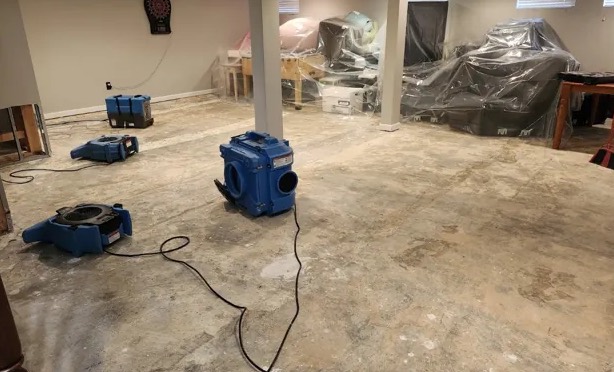
Rapid Structural Drying in Sanford includes emergency structural drying, moisture mapping services, and flood drying services.
Answered 24/7
Rapid Structural Drying Solutions in Sanford, North Carolina
Water intrusion from plumbing failures or weather events threatens structural integrity in any property. Untreated moisture leads to wood rot, mold growth and compromised building materials.
Structural moisture removal in Sanford addresses both visible and hidden water damage in homes and businesses. Service areas include nearby locations like Pittsboro, Fuquay-Varina and Holly Springs for added convenience.
Tailored Rapid Structural Drying for Sanford
Structural Dehumidification
After water extraction, dehumidification tackles the remaining vapor. Structural dehumidification creates a drying gradient, pulling moisture from wet materials into the drier air.
Concrete Slab Drying
Water under or within a concrete slab can wick upward for weeks. Moisture meters track the slab's drying progress daily.
Moisture Mapping Services
Knowing where moisture hides is essential. Moisture mapping involves systematic checks of walls, floors, and ceilings to document saturation levels.
Wall Cavity Drying
Moisture locked within a wall demands a focused drying solution. Desiccant dehumidifiers are often used to aggressively pull moisture from the enclosed area.
Crawl Space Drying
Crawl spaces are vulnerable to groundwater and plumbing leaks. Effective drying here combines pumping, debris removal, and the strategic placement of air movers and dehumidifiers.
When Rapid Structural Drying Is Needed
Condensation Inside Window Frames
Excessive condensation can lead to wall cavity moisture and rot, a common issue addressed by local water damage pros.
Visible Water Stains on Walls
Yellow or brown stains on drywall or ceilings mean water got into the material and may still be inside.
Damp Spots on Concrete Floors
Persistent dampness on a concrete slab can leave white mineral deposits and loosen flooring adhesive.
Soggy or Spongy Drywall
Drywall that feels soft to the touch has absorbed a lot of water and needs drying right away.
How Rapid Structural Drying Works in Sanford
Step 1: Water Extraction and Containment
The process begins with extracting any standing water, then containing the affected area to prevent moisture migration to dry parts of the building.
Step 2: Professional Drying Equipment Deployment
Powerful desiccant and refrigerant dehumidifiers are deployed alongside air movers to aggressively remove moisture from the air and building materials.
Step 3: Focused Crawl Space and Slab Drying
Hard areas get specific methods, such as ducted air for crawl spaces and floor mats for concrete slabs.
Step 4: Final Moisture Validation and Documentation
Final moisture readings are taken and documented with photos and reports for your insurer, confirming the structure is dry and stable.
Events That Lead to Rapid Structural Drying
Severe Weather and Flooding
Heavy rainfall or localized flooding can overwhelm drainage, leading to water intrusion.
Burst Pipes or Plumbing Failures
A burst pipe can release hundreds of gallons, soaking drywall, subfloors and framing well beyond the room where it broke.
Clogged Gutters and Downspouts
When gutters overflow, water pools against the foundation and can seep into crawl spaces, slabs and lower walls.
Roof Leaks From Storm Damage
Wind-driven rain or damaged shingles allow water to infiltrate attics and wall cavities, leading to widespread structural moisture.
Rapid Structural Drying for Homes and Businesses
Residential Rapid Structural Drying
In homes, rapid structural drying targets moisture trapped in walls, under floors, and in crawl spaces after a leak.
Commercial Rapid Structural Drying
For businesses, commercial structural drying minimizes downtime after water damage. Restoration pros focus on large-scale moisture removal from concrete slabs, interior wall cavities, and office subfloors using high-capacity equipment to get operations back to normal swiftly.
Rapid Structural Drying vs. DIY: When to Call Local Pros
Wipe down accessible surfaces with towels and increase ventilation by opening windows if weather permits. Avoid using household fans on wet drywall, as they can spread mold spores.
Factors Influencing Rapid Structural Drying Costs
The cost of structural drying in Sanford depends on the damage. Large areas with soaked wall cavities or subfloors take more labor and time.
Access and Complexity
Difficult-to-reach areas like tight crawl spaces or behind finished walls add labor time to the emergency structural drying process.
Required Drying Equipment
The number and type of industrial air movers, dehumidifiers, and moisture meters deployed for structural moisture removal influence operational costs.
Project Duration
The total time needed for complete structural dehumidification and achieving dry standards affects the overall labor and equipment rental period.
Does Insurance Cover Rapid Structural Drying?
Whether residential structural drying is covered depends on your insurer's interpretation of the cause. You are responsible for filing the claim and discussing coverage specifics with your insurance agent.
Why Choose Local Pros for Rapid Structural Drying in Sanford
Industrial-Grade Drying Equipment
High-capacity air movers and dehumidifiers dry crawl spaces and concrete slabs, which hold water longest.
Prevention of Mold Growth
Rapid drying helps control humidity levels, creating an environment less conducive to mold development after water intrusion.
Focus on Structural Integrity
The process prioritizes drying the building structure itself, including wall cavities and subfloors, to protect its stability.
24/7 Rapid Structural Drying When You Need It
Need fast structural drying services following a major leak? Contact (743) 244-2466 for 24/7 emergency assistance from the pros in your area.
Call Now (743) 244-2466Local Rapid Structural Drying Coverage Area
The places below are also served, and each one has its own page.
- Rapid Structural Drying in Pittsboro
- Rapid Structural Drying in Fuquay-Varina
- Rapid Structural Drying in Holly Springs
- Rapid Structural Drying in Siler City
- Rapid Structural Drying in Apex
- Rapid Structural Drying in Cary
- Rapid Structural Drying in Carrboro
- Rapid Structural Drying in Morrisville
- Emergency Damage Restoration in 27330
- Storm Damage Restoration in 27330
- Water Damage Restoration in 27330
- Water Extraction Service in 27330
- Water Leak Detection in 27330
- Water Removal Service in 27330
- Emergency Damage Restoration in 27331
- Storm Damage Restoration in 27331
Common Queries About Structural Drying
What is involved in subfloor drying?
Subfloor drying involves using specialized air movers and dehumidifiers to draw moisture out of the wooden or concrete layer beneath flooring, often requiring access panels or strategic placement of equipment.
What happens if wall cavity drying is delayed?
Delayed wall cavity drying allows moisture to promote mold growth inside walls, degrade insulation, and potentially weaken drywall or wooden studs, leading to more extensive and invasive repairs.
How long does concrete slab drying typically take?
Concrete slab drying time varies with thickness and saturation but often takes several days, as dense concrete releases moisture slowly, requiring sustained use of industrial dehumidifiers and air circulation.
Why document the process for insurance?
Detailed documentation of moisture readings, photos, and equipment used provides a clear record for your insurance claim, showing the necessity and scope of the rapid structural drying services performed.
How do pros know when structural drying is complete?
The pros use moisture meters to compare readings in affected materials to known dry standards in unaffected areas, ensuring moisture levels are acceptable before concluding the job.