High Point, NC · Guilford County
Insulation Replacement in High Point, NCWall Insulation Removal & Rodent-Infested Insulation Removal
Insulation Replacement in High Point includes attic insulation replacement, rodent-infested insulation removal and moldy insulation removal.
Answered 24/7
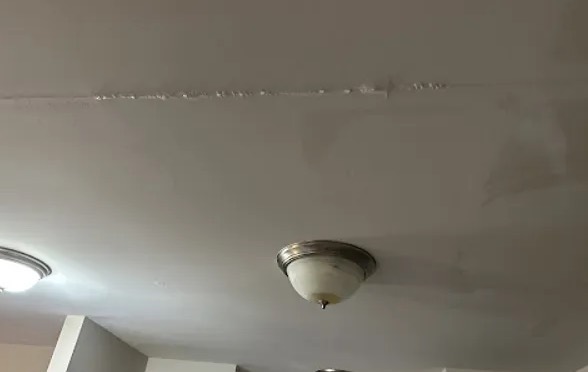
Expert Insulation Replacement for High Point
For homes in High Point, replacing moldy insulation protects the family's breathing. Old, settled, or wet insulation also reduces R-value, making heating and cooling systems work harder and raising costs.
In High Point, insulation replacement covers fiberglass removal and new attic insulation. Local attic restoration pros focus on safety and efficiency for each home. It is available in High Point and nearby areas including Archdale, Trinity and Jamestown. Proper attic ventilation is a key factor in the replacement process.
Comprehensive Insulation Replacement Solutions
Wall Insulation Removal
Maximizing energy savings often requires both insulation removal and air sealing. The process eliminates old material, seals leaks around lights, ducts, and chimneys, and then installs high-performance insulation for a complete thermal upgrade.
Rodent-Infested Insulation Removal
Insulation contaminated by rodent droppings, urine, or nesting materials poses serious health risks. Removal requires full PPE, HEPA vacuuming, and sanitization to eliminate hazards and odors from your attic space.
Fiberglass Insulation Removal
Old or damaged fiberglass insulation can irritate skin and lungs. Removal uses protective gear and vacuums to pull out batts or loose fill from attics and walls.
Moldy Insulation Removal
Discovering black spots or a musty smell in your attic often signals moldy insulation. Professional removal involves sealing the area, using HEPA filtration, and safely bagging all contaminated material for disposal.
Attic Insulation Replacement
Attic insulation replacement boosts home comfort and energy efficiency. After removing old material, pros install new batts, blown-in cellulose, or spray foam to achieve the recommended R-value for your region.
Signs of Damaged Attic Insulation
High Energy Bills
Sudden spikes in heating or cooling costs often point to compromised attic insulation requiring replacement.
Visible Attic Moisture
Water stains or condensation on rafters or insulation batts indicate a leak affecting the insulation.
Damp or Sagging Insulation
Fiberglass or cellulose batts that feel wet or appear matted down have lost their thermal performance.
Mold Growth on Wood
Black or green mold on attic sheathing or framing means moldy insulation removal is likely necessary.
How Insulation Replacement Works in High Point
Step 1: Moisture and Damage Inspection
The pros begin with a thorough evaluation using tools to find hidden wet areas and assess attic insulation removal needs. Photos are taken for documentation.
Step 2: Old Insulation Extraction
Fiberglass or blown-in insulation removal then begins. Industrial vacuums and hand tools remove the material safely.
Step 3: Cavity Cleaning and Drying
Once empty, wall cavities and attic floors are cleaned of debris and dust. Any residual moisture is addressed to create a dry substrate for the new material.
Step 4: Replacement and Air Sealing
New batts or blown-in insulation is installed. The pros also seal gaps and penetrations to complete the insulation replacement and improve thermal performance.
Why Insulation Replacement Is Needed in High Point
High Indoor Humidity
Daily activities like cooking and showering create vapor that can collect in a poorly vented attic.
Plumbing Leaks
Leaking pipes inside walls or ceilings soak the insulation around them and leave it useless.
Rodent or Pest Infestation
Animals like rodents or squirrels nesting in insulation contaminate it with droppings, urine, and nesting debris, which necessitates full removal and cleaning.
Poor Attic Ventilation
Inadequate airflow traps humid air, promoting condensation and persistent mold growth on attic insulation materials like cellulose or fiberglass batts.
Insulation Replacement for Homes and Businesses
Residential Insulation Replacement
Residential Insulation Replacement often involves removing old, settled cellulose or fiberglass from attics and crawlspaces where moisture or pests have caused damage. The pros contain and dispose of contaminated material before installing new insulation.
Commercial Insulation Replacement
In commercial settings, the pros address insulation damage in mechanical rooms, above suspended ceilings, and within exterior wall assemblies. Their process includes assessing attic ventilation needs and documenting conditions to help prevent future moisture problems and energy loss.
Insulation Replacement vs. DIY: When to Call Attic Restoration Pros
Monitoring your energy bills and home comfort levels is a safe DIY task. Keep records of monthly usage and note rooms that are hard to heat or cool. If trends point to insulation failure, contact the pros in High Point for a professional assessment of your attic insulation replacement needs.
Pricing for Insulation Replacement Services
Your insulation replacement cost in High Point hinges on the condition of the existing material and the desired outcome. Removing blown-in insulation from an entire attic is a different project than spot-treating a wall. The goal to improve home energy efficiency also guides the estimate.
Additional Services
Extra work like air sealing, ventilation upgrades or attic cleaning adds to the total cost.
Project Scale
The square footage of insulation to remove and replace is the main cost driver. A whole attic costs more than a single wall cavity.
Accessibility
Hard-to-reach attics or closed wall cavities take more time and equipment to access.
Does Insurance Cover Insulation Replacement?
Blown-in insulation removal due to a covered peril like fire or water damage may be eligible for insurance consideration. The pros document the damage to the insulation and structure. This detailed account is for your insurance claim process. Policy terms vary, so confirm the details with your adjuster.
Advantages of Hiring Local Pros in High Point
Ventilation Assessment
The attic ventilation system is checked during insulation replacement to help prevent future moisture and condensation issues.
Full-Scope Service
Service includes removal, cleaning, and preparation for new insulation, addressing the problem completely, not just partially.
Clear Process Explanation
You receive a straightforward explanation of the insulation removal and replacement steps planned for your property.
Emergency Insulation Removal Services
Moldy insulation should be removed promptly. Call (743) 244-2466 for 24/7 emergency moldy insulation removal in High Point. Fast containment and removal help prevent spore dispersion into your living spaces, addressing the health hazard quickly.
Call Now (743) 244-2466Insulation Replacement Across the High Point Region
In High Point and neighboring places such as Archdale, Trinity and Jamestown, removing rodent-infested or moldy insulation is a health priority. Proper disposal and replacement restore the thermal barrier. The pros handle the entire process from assessment to final installation.
Frequently Asked Insulation Replacement Questions
What are signs you need insulation replacement?
Signs include high energy bills, uneven room temperatures, visible moisture or mold on insulation, pest infestations, or insulation that is sagging or compacted.
What safety measures are used during removal?
Pros wear respirators and protective suits, set up containment barriers and use HEPA-filtered vacuums throughout.
What is done with old insulation after removal?
Old insulation is securely bagged and disposed of according to local regulations. Hazardous material like mold-contaminated insulation requires specific disposal protocols.
Does insulation replacement improve energy efficiency?
Yes, replacing old, degraded insulation with new, properly installed material significantly reduces heat transfer, lowering heating and cooling costs for your home.
What types of new insulation are available?
Common choices include fiberglass batts, blown-in cellulose or fiberglass, and spray foam. The appropriate type depends on the attic's structure, budget, and desired R-value.