High Point, NC · Guilford County
Hardwood Floor Water Damage Restoration in High Point, NCWater Damaged Subfloor Repair & Flooded Hardwood Floor Cleanup
Hardwood Floor Water Damage Restoration in High Point involves hardwood floor water extraction, hardwood floor drying services, and wood floor warping repair.
Answered 24/7
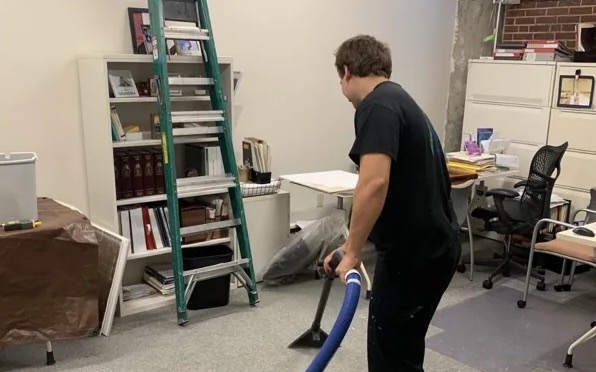
Local Hardwood Floor Water Damage Restoration for High Point Residents
Water intrusion on hardwood floors in High Point can quickly lead to irreversible damage like warping, cupping, and mold growth beneath the surface. The porous nature of wood absorbs moisture, compromising structural integrity and indoor air quality if not addressed correctly.
Hardwood floor water damage restoration is available in High Point and nearby areas like Archdale, Trinity and Jamestown. Water can ruin expensive flooring quickly. Local moisture remediation specialists apply structured drying and repair techniques to address issues from warping to hidden subfloor damage, aiming to save the floor's integrity.
Hardwood Floor Water Damage Restoration Services in High Point
Water Damaged Subfloor Repair
When hardwood gets wet, the subfloor frequently suffers damage. Repair specialists methodically remove affected hardwood to expose the subfloor for drying, treatment, or replacement.
Flooded Hardwood Floor Cleanup
Cleaning targets staining and soiling left behind after water removal. Protocols vary by water type, such as clean, gray, or black water, to properly safeguard the hardwood surface and its finish.
Emergency Floor Water Removal
Water has to come up fast before the wood absorbs it. The specialists prioritize calls where wood flooring is at risk.
Hardwood Floor Moisture Inspection
A professional moisture inspection uses penetrating meters to map water content. Meters find hidden moisture in the planks and subfloor.
Hardwood Floor Mold Prevention
Mold prevention involves creating dry conditions that inhibit mold. After drying, pros may apply antimicrobial agents to cleaned wood surfaces in High Point as a preventative measure.
Indicators for Emergency Hardwood Floor Water Damage Restoration
Squeaking or Creaking
Excessive noise when walking over previously quiet areas points to nail or adhesive failure from moisture. It often follows hardwood floor water damage.
Floorboard Separation
Individual boards pulling away from each other or from the wall molding. This separation is a direct result of wood floor moisture damage and swelling.
Excessive Humidity in Room
A consistently damp feeling in the air near the floor suggests evaporation from a wet subfloor. This environment perpetuates hardwood floor water damage.
Gaps Between Floorboards
New or widening gaps between boards show the floor got wet and has dried unevenly.
How Hardwood Floor Water Damage Restoration Works in High Point
Step 1: Damage Assessment and Containment
The process begins with a thorough evaluation of the water damaged wood floor and its source. Pros contain the area to prevent cross-contamination and plan the restoration strategy.
Step 2: Subfloor Water Extraction
Focus shifts to removing water trapped beneath the hardwood surface. Access holes may be cut to dry the subfloor completely.
Step 3: Targeted Airflow and Dehumidification
Professionals position high-volume air movers to circulate air across and under the floor. Coupled with dehumidifiers, this method drives out moisture during hardwood floor water damage restoration.
Step 4: Final Verification and Cleaning
After drying, moisture readings are verified to meet industry standards. The final phase includes flooded hardwood floor cleanup, sanitization, and preparing the surface for any necessary refinishing.
What Causes Water Damage to Hardwood Floors
HVAC Condensation Issues
Clogged drain lines or excessive humidity from air conditioning units can drip onto floors. This causes localized hardwood floor moisture damage over time.
Overflowing Bathtubs or Sinks
A bathroom flood from an unattended tub or clogged sink can quickly spread water into hallways and bedrooms.
Plumbing Pipe Leaks
A burst pipe, pinhole leak, or faulty connection under floors releases water directly onto wood and subflooring.
Faulty or Missing Vapor Barrier
In installations over concrete, a failed moisture barrier allows ground vapor to rise into the wood.
Residential and Commercial Hardwood Floor Water Damage Restoration in High Point
Residential Hardwood Floor Water Damage Restoration
Residential hardwood floor water damage often stems from kitchen leaks, bathroom overflows, or supply line failures. The specialists in High Point handle emergency floor water removal and subfloor repair to protect the structural integrity of the home and prevent mold issues.
Commercial Hardwood Floor Water Damage Restoration
Restaurants and clinics need sanitary restoration of their hardwood floors. Experts clean up the flooded floors, disinfect them and check moisture levels so the space meets health codes.
Professional Hardwood Floor Water Damage Restoration or DIY Repair?
After removing surface water, you can gently wipe the area with a damp cloth and a pH-neutral wood cleaner for disinfection. Never use harsh chemicals or abrasive pads.
Understanding Hardwood Floor Water Damage Restoration Expenses
The specialists evaluate several variables to determine hardwood floor water damage restoration cost in High Point, including the flooring finish, the room's layout, and the required cleanup scope.
Extent of Water Damage
The square footage of affected hardwood and the depth of water penetration directly influence the scope and cost of the restoration work required.
Mold Prevention Measures
Implementing proactive antimicrobial treatments and moisture barriers to prevent mold adds a layer to the restoration process and its cost.
Final Inspection and Documentation
A final moisture inspection and documentation for your records are part of the cost.
Does Insurance Cover Hardwood Floor Water Damage Restoration?
Whether insurance covers water damaged wood floor restoration is determined by a policy's terms and the incident's cause, like a sudden pipe burst.
Why Choose Local Moisture Remediation Specialists for Hardwood Floor Water Damage Restoration in High Point
24/7 Emergency Response
Help is available at any hour to begin containing hardwood floor water damage and starting the drying process.
Advanced Floor Drying Systems
Industrial air movers and dehumidifiers are deployed to dry hardwood floors and subfloors thoroughly, preventing secondary damage.
Proactive Mold Prevention
Antimicrobial treatments slow mold growth on wet wood while the floor dries.
Urgent Hardwood Floor Water Damage Restoration Help Day or Night
Waiting allows wood floor moisture damage to expand. For 24/7 emergency response to initiate hardwood floor drying and warping repair, call (743) 244-2466 now. Starting early limits buckling and staining.
Call Now (743) 244-2466Hardwood Floor Water Damage Restoration Available in High Point, Archdale, Trinity and Jamestown
In High Point, the pros extract water from hardwood floors before mold can start. Service also covers High Point and nearby areas like Archdale, Trinity and Jamestown.
Hardwood Floor Water Damage Restoration FAQ for High Point Homeowners
How does hardwood floor drying prevent further damage?
Industrial air movers and dehumidifiers rapidly reduce moisture levels in the wood, which helps prevent permanent warping, buckling, and mold growth on the floor surface.
When is water damaged subfloor repair necessary?
Water damaged subfloor repair is necessary when moisture meters detect high levels underneath the hardwood, indicating the structural layer is compromised and requires drying or replacement.
Is quick action crucial for wood floor moisture damage?
Yes, quick action limits how far water spreads, shortens drying and improves the chance of saving the floor.
Can all water damaged wood floors be restored?
Not all water damaged wood floors can be fully restored; severe, prolonged saturation may cause irreparable damage requiring board replacement instead of repair.
What does emergency floor water removal involve?
Emergency floor water removal involves quickly extracting standing water with truck-mounted or portable extractors to minimize absorption and start the drying process.