High Point, NC · Guilford County
Deep Cleaning after Disasters in High Point, NCOdor Elimination After Disasters & Post-Fire Soot Cleaning
In High Point, Deep Cleaning after Disasters includes post-flood deep cleaning, post-fire soot cleaning, and sewage backup deep cleaning.
Answered 24/7
Expert Deep Cleaning after Disasters for High Point Homes
Properties in High Point can face significant contamination after water, fire, or storm events, demanding more than a surface wipe. Deep cleaning after disasters removes hazardous residues that threaten health and structural integrity.
Deep cleaning after disasters for properties in High Point and nearby places like Archdale, Trinity and Jamestown involves post-flood deep cleaning to remove silt and bacteria from floods, plus post-fire soot cleaning to eliminate corrosive residues. Nearby neighborhoods and the center of High Point are served the same way, with help available by phone at (743) 244-2466.
The Deep Cleaning after Disasters Process in High Point
Odor Elimination After Disasters
Disasters leave persistent odors. Odor elimination uses deep cleaning and deodorization to neutralize smells at their source. Techniques can include hydroxyl generators, thermal fogging, or ozone treatments.
Post-Fire Soot Cleaning
Fire damage leaves greasy, toxic residues. Post-fire soot cleaning focuses on eliminating these deposits to protect health and property. It is an essential part of post-disaster recovery.
Storm Debris Cleanup
Deep cleaning after a storm starts here. Storm debris cleanup extracts non-structural materials like mud, leaves, and broken contents. This clears the way for assessing structural damage.
Post-Flood Deep Cleaning
Floodwaters leave contaminants behind. Post-flood deep cleaning addresses this residue on floors, walls, and belongings after initial water removal. Surfaces are sanitized.
Post-Mold Remediation Cleaning
Deep cleaning follows mold removal as a standard protocol. It focuses on decontaminating the environment after primary extraction. Techniques include antimicrobial application and aggressive air scrubbing.
Indicators That Require Deep Cleaning after Disasters
Blackened Insulation in the Attic
Smoke-damaged insulation stops insulating well and can keep releasing odors and residue into the home.
Sewage Odor Lingering for Days
A foul smell that lingers after a sewage backup cleanup means contamination remains in materials and the area needs deeper cleaning.
Recurring Mold Spots After Cleanup
Mold returning in the same spot means the earlier remediation missed something.
Biofilm on Basement Walls Post-Flood
A slimy film indicates active mold, calling for emergency deep cleaning and post disaster sanitization protocols.
How Deep Cleaning after Disasters Works in High Point
Step 1: Emergency Containment Setup
To prevent cross-contamination, post-disaster cleaning experts in High Point seal the work area with plastic barriers before starting post flood deep cleaning.
Step 2: Heavy Debris and Residue Removal
All bulk debris, damaged materials, and heavy soot deposits are safely removed as part of the initial disaster cleanup services phase.
Step 3: Deep Cleaning and Sanitizing
Every surface undergoes scrubbing, rinsing, and application of EPA-registered disinfectants during the post disaster sanitization process.
Step 4: Drying and Air Quality Restoration
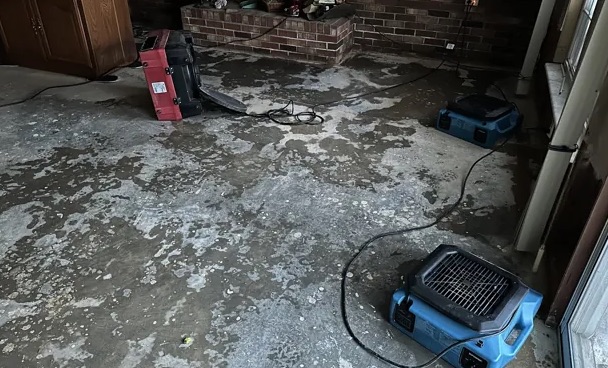
Industrial air movers and dehumidifiers dry the structure, while air scrubbers clean particulate matter to restore healthy indoor air.
What Leads to the Need for Deep Cleaning after Disasters in High Point
House Fire and Smoke Damage
Fires leave corrosive soot and toxic residue on walls, ceilings and contents.
Plumbing Leaks Behind Walls
A slow pipe leak inside a wall cavity promotes hidden mold, discovered during professional post disaster cleaning inspections.
Smoke Permeation From Nearby Fires
Wildfire smoke can seep into closed-up homes and leave harmful residue on surfaces.
HVAC System Distributing Contaminants
Forced-air systems can spread soot or mold spores through the whole property.
Deep Cleaning after Disasters for Homes and Businesses in High Point
Residential Deep Cleaning after Disasters
In homes, disaster cleanup services address soot-impregnated furniture, water-logged carpets, and contaminated personal belongings. The experts clean and restore cherished belongings.
Commercial Deep Cleaning after Disasters
The experts in High Point perform post-fire cleaning and sanitization to protect inventory, equipment, and customer areas. This minimizes downtime and liability from lingering contaminants or structural damage.
Deep Cleaning after Disasters vs. DIY: When to Call Post-disaster Cleaning Experts
Dispose of any visibly molded porous materials in sealed bags. When facing hidden moisture or deep cleaning after mold in wall cavities, reach out to the pros. DIY methods often miss the root cause, leading to regrowth.
Understanding Deep Cleaning after Disasters Pricing in High Point
When considering deep cleaning after water damage in High Point, the cost is tied to the water category and the duration of saturation. Category 3 black water from sewage demands far more rigorous decontamination than clean water from a supply line.
Odor Elimination Complexity
Simple surface deodorizing is less involved than treating persistent smoke or mold odors trapped in building materials. Deep-set smells need extra treatment.
Affected Square Footage
The total area needing deep cleaning dictates the time, labor, and materials required. Larger homes or commercial spaces naturally have a higher project scope.
Required Equipment
Jobs needing industrial air scrubbers, thermal foggers, or ozone machines incur higher operational costs than those using standard cleaning tools. The tech dictates part of the price.
Does Insurance Cover Deep Cleaning after Disasters?
Sewage backup deep cleaning may be covered if you have a specific sewer backup endorsement on your policy. Standard policies often exclude this, so check your endorsements first.
Benefits of Local Experts for Deep Cleaning after Disasters
24/7 Emergency Response
Rapid initiation of deep cleaning limits secondary damage like mold or permanent staining. Respond fast after any disaster.
Comprehensive Odor Elimination
Addressing odor sources at the molecular level, not just masking smells. This provides a lasting solution for post-fire or sewage odors.
Industry-Standard Cleaning Protocols
Methods follow industry guidelines for contaminant removal and surface restoration. Decontamination follows a set order.
Round-the-Clock Deep Cleaning after Disasters in High Point, NC
For fire or mold cleanup after a disaster, call (743) 244-2466. Timely deep cleaning addresses contaminants before they become more entrenched and costly to remedy.
Call Now (743) 244-2466Deep Cleaning after Disasters Coverage Around High Point
In High Point and nearby locations like Archdale, Trinity and Jamestown, deep cleaning after disasters involves specialized protocols for different disaster types. The work runs from debris removal to final sanitizing.
Deep Cleaning after Disasters Common Questions Answered
What equipment is used for post-fire cleaning?
The experts utilize HEPA air scrubbers, specialized soot sponges, chemical sponges, thermal foggers, and ozone machines to clean the air and surfaces and neutralize persistent smoke odors effectively.
Why choose post-disaster cleaning experts for disaster cleanup services?
They use industrial equipment and a set sequence to remove visible and hidden contaminants.
What are the steps for sewage backup deep cleaning?
This involves removing contaminated materials, washing and disinfecting of affected areas with EPA-registered biocides, and often includes odor elimination due to the severe biological hazards present.
Does deep cleaning after mold include the HVAC system?
It should include the HVAC system and ductwork, which can recirculate spores through the home.
What does content cleaning and restoration involve?
Salvageable items are inventoried, cleaned using appropriate methods for each material (e.g., dry cleaning, wet cleaning, ultrasonic), deodorized, and carefully dried or stabilized for return.