High Point, NC · Guilford County
Attic Damage Restoration in High Point, NCWet Attic Insulation Removal & Roof Leak Water Cleanup
Attic Damage Restoration in High Point covers attic water extraction, wet attic insulation removal and roof leak water cleanup.
Answered 24/7
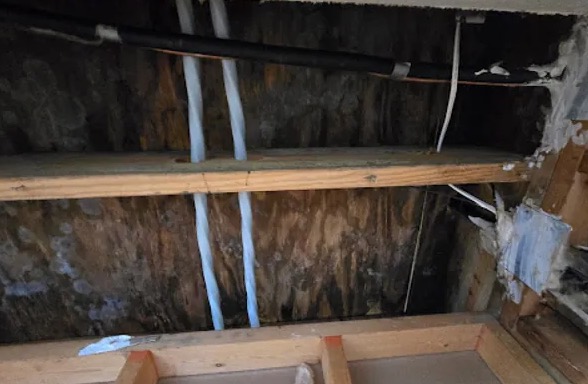
Attic Water Damage Repair for High Point Homes
Wet insulation does not dry well on its own. It packs down, holds water against the ceiling drywall and starts to smell within days.
In High Point, attic leaks come from roofs, condensate drains and plumbing. The pros remove wet insulation and dry the wood, with the same help available in Archdale, Trinity and Jamestown.
Attic Water Damage Services in High Point
Wet Attic Insulation Removal
Wet blown-in or batt insulation packs down, stops insulating and holds water against the ceiling. The pros vacuum or bag it out so the drywall and joists below can dry.
Roof Leak Water Cleanup
A roof leak often shows up far from where it starts. Moisture readings along the framing show every wet spot so each one is dried.
Attic Pipe Leak Cleanup
A leaking pipe in an attic can run for days before a ceiling stain shows. Readings across the joists show how far the water spread so the whole area is dried.
Storm Water Attic Cleanup
After a storm, water can enter at many points at once. The pros check the full attic, not just the area over the stain, and dry each wet spot.
HVAC Condensate Leak Cleanup
The pros remove water from the pan area, pull wet insulation around the unit and dry the ceiling drywall and joists. The clogged line should be cleared so the leak stops.
Signs of a Leak in Your Attic
Rust Around Nails and Metal
Rusty nail tips, straps or ductwork in the attic point to repeated moisture from a leak or condensation.
Wet or Matted Insulation
Insulation that looks flattened, stained or clumped has been soaked and is holding water against the ceiling.
Peeling Paint on Upper Ceilings
Bubbling or peeling paint on top-floor ceilings is a common sign of moisture in the attic above.
Musty Smell Upstairs
A damp, musty smell in upper rooms or the attic often means wet insulation or wood that is not drying.
How Attic Damage Restoration Works in High Point
Step 1: Finding the Leak Path
The pros trace where water entered, whether roof, AC drain or pipe, and how it ran along the framing.
Step 2: Removing Wet Materials
Wet insulation and ceiling drywall that cannot be dried are removed and listed for the insurance claim.
Step 3: Attic Moisture Removal
Dehumidifiers pull moisture from the hot attic air while air movers push dry air across wet wood.
Step 4: Final Moisture Readings
Pin meters confirm the rafters, decking and joists are dry before equipment is removed and repairs begin.
Frequent Causes of Wet Attic Insulation
Bathroom Fans Venting Into the Attic
Exhaust fans that end in the attic instead of outside put warm, wet air straight onto the decking.
Leaking Vents and Skylights
Worn seals around plumbing vents, roof vents and skylights let water run down into the attic.
Roof Leaks and Worn Shingles
Missing, cracked or worn shingles and failed flashing let rain into the attic, often far from the stain below.
Clogged AC Condensate Drains
An attic air handler can produce gallons of water a day. A clogged line or rusted pan sends it into the insulation.
Residential and Commercial Attic Damage Restoration in High Point
Attic Damage Restoration for Homeowners
Homeowners with an AC condensate overflow get water removed around the air handler, wet insulation pulled and the ceiling drywall dried.
Attic Damage Restoration for Businesses and Property Managers
Offices and shops with HVAC equipment above the ceiling get leaks cleaned up and dried, and the drain problem noted for the HVAC contractor.
Professional Attic Damage Restoration or DIY?
Walking in an attic is risky, since one step off a joist goes through the ceiling. Unless you have safe footing, let attic restoration experts reach the wet area.
Pricing for Attic Damage Restoration in High Point
Tight attic access, low roof pitch and stored items that must be moved first add labor time to the job.
Drying Time
Thick decking and rafters can take several days to dry, and equipment cost depends on how long it runs.
Attic Access
Small hatches, low clearance and stored items slow the work and add labor time.
Source of the Water
Clean water from a pipe or AC drain is simpler to handle than storm water that brought in dirt and debris.
Does Insurance Cover Attic Damage Restoration?
Report the leak to your insurer soon after you find it, and keep receipts for any emergency work such as tarping and drying.
The Case for Professional Attic Drying
Drying the Rooms Below
Ceilings and walls under the attic are checked and dried along with the attic itself.
Records for Your Insurer
Photos, moisture readings and drying logs help you file and support a claim.
Homes and Businesses
The same process works for a house attic or the space above a commercial ceiling.
24/7 Emergency Attic Damage Restoration in High Point
Water dripping from your ceiling? Turn off power to wet fixtures, put a bucket under the drip and call (743) 244-2466 for attic damage restoration in High Point, any hour.
Call Now (743) 244-2466Attic Damage Restoration Coverage in and Around High Point
From High Point to Archdale, Trinity and Jamestown, the pros remove wet insulation and dry attics after roof, pipe and AC leaks.
Common Attic Leak Questions
Why is my ceiling wet under the AC unit?
The condensate drain line is likely clogged or the pan has rusted through. Switch off the unit and have the water and wet insulation removed.
Should I go into the attic to check the leak?
Only if you can stand safely on the joists. One step off a joist can go through the ceiling.
How quickly should attic water damage be handled?
Within a day or two. Hot, damp attics grow mold quickly, and wet insulation keeps the ceiling below soaked.
Do the pros fix the roof?
No. A roofer repairs or tarps the roof. The pros remove the water and wet insulation and dry the attic once the roof is covered.
How do the pros find hidden water in the attic?
Moisture meters and thermal cameras show wet wood and insulation along the water's path, even far from the stain.